

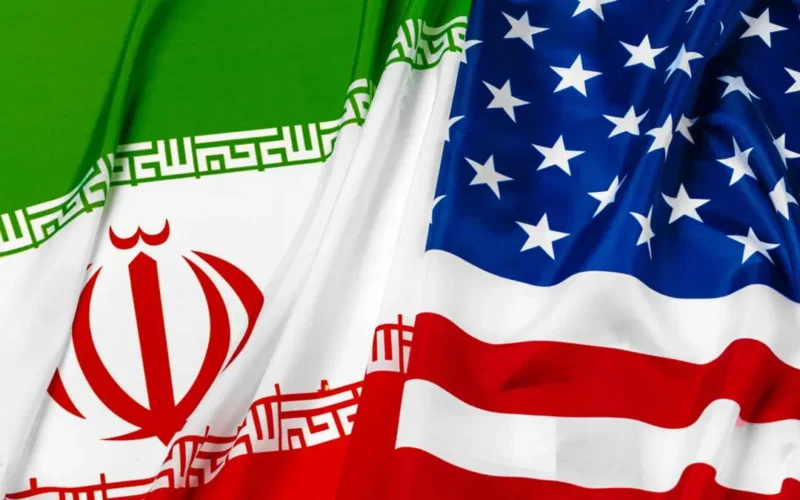
The United States and Iran agreed a peace deal and an “immediate and permanent” end to military operations on all fronts including Lebanon, mediator Pakistan said, in the strongest sign yet that more than three months of war in Middle East is drawing to a close.
Pakistani Prime Minister Shebhaz Sharif posted on X that a peace deal “has been REACHED” and an official signing ceremony will be held on June 19 in Switzerland.
“The Deal with the Islamic Republic of Iran is now complete,” US President Donald Trump swiftly confirmed with his own statement on Sunday, as he marked his 80th birthday.
“I hereby fully authorize the toll free opening of the Strait of Hormuz, and, simultaneously herewith, authorize the immediate removal of the United States Naval blockade. Ships of the World, start your engines. Let the oil flow!”
There was no immediate confirmation from Iran, which just hours earlier had vowed to retaliate against a strike by Israel against Iranian ally Hezbollah in the suburbs of Beirut which threatened to push back an agreement.
It had declined Sunday to offer a clear timeline for reaching a peace deal.
But later in the day, Pakistan’s Sharif made the announcement that a deal had been struck, thanking the US and Iran “for finding a diplomatic solution to the conflict.”
“Both sides have declared the immediate and permanent termination of military operations on all fronts, including in Lebanon,” Sharif wrote, adding thanks to leaders of Qatar, Saudi Arabi and Turkey for their support in the mediation effort.
It was a rollercoaster Sunday, with Trump in the morning angrily blaming Israel for delaying its signing with the airstrike on Beirut, which he said had delayed the agreement.
The last time Israel hit the Beirut suburbs, it sparked one of the strongest jolts yet to a ceasefire that has largely held since April, with Iran firing off a retaliatory missile barrage and Israel responding with strikes.Tehran has long demanded that any agreement to halt the war must include the parallel conflict in Lebanon, where Israel has been pursuing a campaign against Iran-backed Hezbollah.
The war began in late February, with US-Israeli strikes on Iran, which retaliated with attacks on Israel and US allies in the region, and by virtually blocking ship traffic in the Strait of Hormuz, a vital route for global oil and natural gas supplies. The US retaliated to that by blockading ship traffic to Iranian ports.