



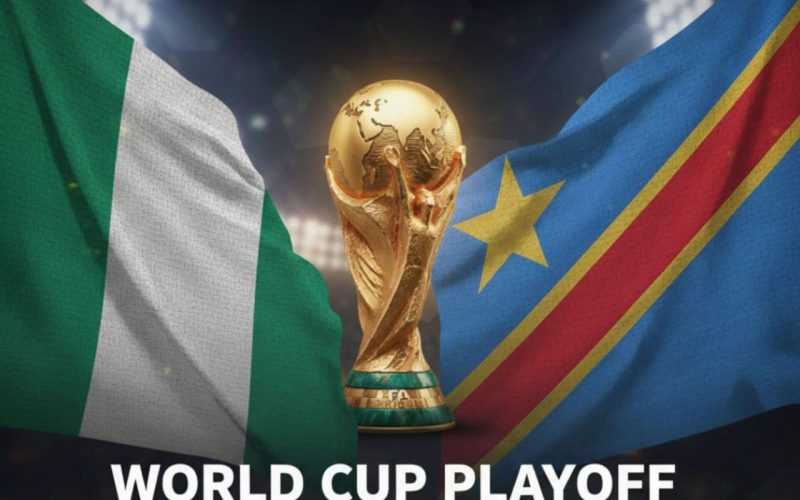
The controversy surrounding Nigeria’s failed bid to qualify for the 2026 FIFA World Cup has taken a new turn, following revelations by Mallam Shehu Dikko, Chairman of the National Sports Commission (NSC), that the Democratic Republic of Congo (DR Congo) may have a case to answer before FIFA.
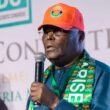
Dikko made the disclosure on Friday while speaking as a guest on ARISE Television, where he alleged that DR Congo breached FIFA eligibility rules in its bid to strengthen its squad ahead of the continental playoffs held in Morocco.
According to him, Nigerian football authorities raised early concerns after DR Congo included players of other nationalities in their squad who had not received the required FIFA clearance to switch allegiance to the Leopards.
“When we saw the squad list submitted on November 1 for playoffs scheduled for November 13, we immediately noticed that some players of other nationalities had been named without FIFA clearance,” Dikko said. “That was a red flag, and from that point, we began monitoring the situation, even though those players were not fielded.”
He stressed that Nigeria’s concerns predated the playoff defeat, dismissing claims that the issue arose only after the Super Eagles failed to qualify.
“This issue did not start because we lost the playoffs. We had been observing developments closely and later discovered that clearances were hurriedly obtained just a day before the qualifiers,” he explained.
Dikko questioned the confidence with which DR Congo named foreign-born players weeks before the playoffs despite their lack of eligibility at the time.
“What gave them the confidence to include players who were not qualified to represent them until just a day before the match? That raised serious concerns after the qualifiers,” he said.
He further pointed out that nationality switches must strictly follow legal and FIFA-approved processes, noting that the improper issuance of passports could invalidate player eligibility.
“It is the responsibility of a federation to ensure passports are issued in line with the law. You cannot simply issue a passport and change someone’s nationality. If the process is flawed, it affects everything,” Dikko warned.
The former second Vice President of the Nigeria Football Federation (NFF) said Nigeria reserves the right to seek redress if FIFA rules were violated, insisting that the matter goes beyond the result on the pitch.
“Yes, we lost, and emotions were high. But we are not sore losers. Football is governed by rules, and when there is suspicion that those rules were breached, a member association has the right to approach FIFA,” he said.
Dikko revealed that Nigeria has engaged legal and international football law experts to review the case, adding that preliminary findings suggest possible misrepresentation to FIFA in securing player clearances.
“From what we have found, there are indications that some procedures may not have been properly followed, and there could have been misrepresentations made to FIFA,” he concluded.
The development suggests that Nigeria’s World Cup qualification hopes may yet hinge on FIFA’s interpretation of the eligibility issues raised against DR Congo.


