




The Super Eagles’ recent setback has once again brought to the fore concerns over Coach Éric Chelle’s tactical approach, with many analysts pointing to systemic issues that were evident long before the decisive loss to Congo DR in final match of the African World Cup Playoffs on Sunday.
Warning signs first appeared during Nigeria’s opening playoff encounter against Gabon. Despite securing a three-goal victory after extra time, the team’s structural weaknesses were visible to close observers. Calls for deeper reflection were, however, largely dismissed on social media as overly critical, given the final scoreline.
Those concerns proved valid in the subsequent outing, where the Super Eagles struggled to establish control in midfield. The Congolese side repeatedly exploited the lack of cohesion between Nigeria’s lines, leaving the attack disconnected and forcing individual players to compensate for tactical gaps.
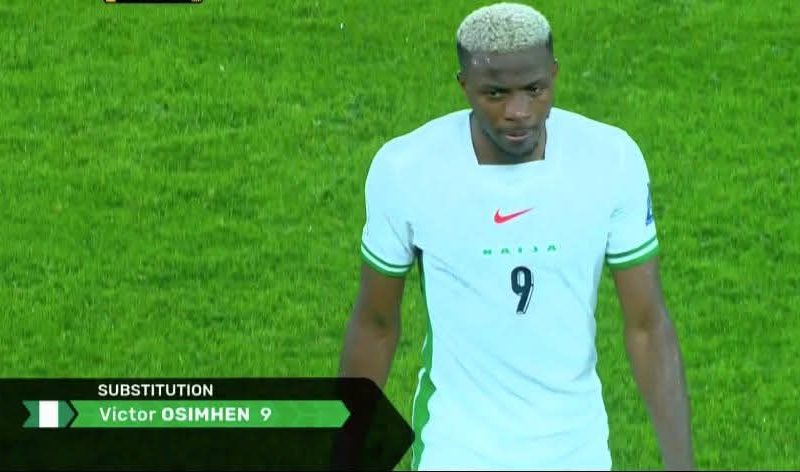
Central to Nigeria’s recent performances has been Victor Osimhen, whose work rate often masked underlying deficiencies. In previous matches, the Galatasaray forward was seen dropping deep, pressing, linking play, and leading the attack, effectively performing multiple roles. His early exit due to visible fatigue exposed the team’s over-reliance on his presence and further highlighted the absence of a robust tactical framework from the bench.
While some supporters credit Chelle for taking over at a difficult phase in the World Cup qualification race, critics argue that the team’s resurgence was heavily dependent on Osimhen’s availability. Once he was no longer on the pitch, Nigeria lacked the strategic adjustments needed to stay competitive.
Football analysts warn that unless the coaching department provides a more dynamic and modern technical approach, Nigeria may struggle at next year’s Africa Cup of Nations. Many insist that the current trajectory suggests the Super Eagles may not advance beyond the quarterfinal stage if urgent improvements are not made.