



By Chief Malcolm Emokiniovo Omirhobo
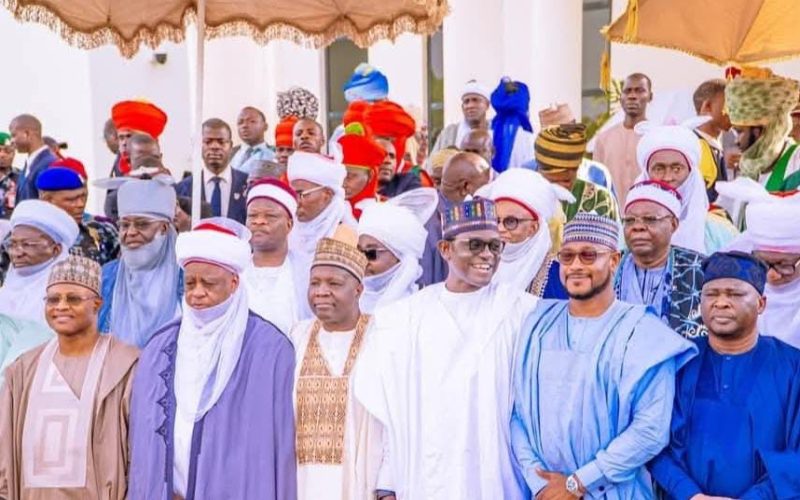
A public statement issued by Chief Malcolm Emokiniovo Omirhobo has challenged the recent communique released by the 19 Northern Governors and the Northern Traditional Rulers’ Council after their emergency meeting in Kaduna, where they proposed a six-month suspension of mining activities, the creation of a ₦1 billion monthly regional security fund, and renewed support for state policing.
Chief Omirhobo, in his strongly worded reaction, argued that while the resolutions appear decisive, they fail to acknowledge the long-term actions and inactions of Northern political, traditional, and religious elites that, in his view, contributed significantly to the insecurity currently confronting the region and the nation.
Banditry and the politics of leniency
He recalled that several influential Northern voices had, over the years, taken a conciliatory approach toward armed groups, at times portraying them as “misguided youths” or calling for negotiation, compensation, and even amnesty. According to him, these positions offered moral and political cover to criminal elements who later became entrenched.
Dual justice systems and national cohesion
Chief Omirhobo further argued that the institutionalisation of Sharia criminal justice in 12 Northern states, without adequate national consensus, created a dual legal framework that weakened constitutional uniformity and contributed to the rise of radicalisation and fragmented loyalties—factors he believes helped fuel present-day instability.
Education, poverty, and long-term vulnerability
The lawyer also criticised Northern leadership for failing to prioritise basic education, leading to millions of out-of-school children. He maintained that entrenched poverty and limited educational access provided fertile ground for recruitment into criminal networks, worsening insecurity across the region.
Mining suspension ‘long overdue’
While commending the call for a temporary halt to mining, Omirhobo insisted it came years after security agencies and local communities first raised concerns about the connection between illegal mining and the financing of armed groups. He argued that the new position appears driven more by recent political and economic pressure than by early proactive concern.
Concerns over state police
Chief Omirhobo also expressed caution over the renewed push for state police, warning that without strict safeguards, such structures could be vulnerable to misuse by political actors, potentially deepening ethnic, political, or communal tensions rather than resolving them.
Call for sincerity and structural reform
He insisted that genuine progress requires Northern leaders to openly accept responsibility for past policies and decisions, dismantle extremist narratives, strengthen constitutional supremacy, enforce accountability for terror financing, and ensure compulsory education across all communities.
According to him, “No amount of funding or new security architecture will succeed unless the root causes—political hypocrisy, ideological extremism, and decades of socio-economic neglect—are honestly confronted.”
Chief Omirhobo concluded that Nigeria must remain vigilant and ensure that any new security initiatives are rooted in transparency, equity, and sincere commitment to national stability.