





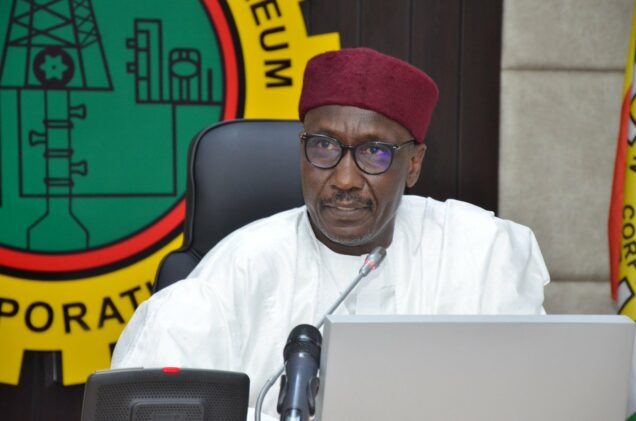
The Nigerian National Petroleum Company Limited (NNPC Ltd.) has defended its Group Chief Executive Officer, Malam Mele Kyari, against accusations of causing the surge in Premium Motor Spirit (PMS) prices.
The company clarified that Kyari is not responsible for the increase in fuel prices, following calls from protesters for his removal.
NNPC’s Chief Corporate Communications Officer, Mr. Olufemi Soneye, responded to the protests, which were organized by Civil Society Organizations (CSOs) and held outside the NNPC headquarters in Abuja.
The CSOs demanded Kyari’s resignation, blaming him for issues in fuel distribution and escalating fuel costs.
Soneye dismissed these allegations, arguing that the protesters lack insight into the complexities of Nigeria’s fuel supply chain.
“If they were informed, they would know that the GCEO is not responsible for the fuel price increase,” he stated.
Soneye emphasized Kyari’s efforts to maintain stable prices, noting, “The GCEO ensured that Nigerians had access to fuel at N620 per liter for over a year, even when the landing cost was above N1,100.”
He also refuted claims of adulterated fuel being imported by NNPC Ltd., challenging anyone with evidence to present samples.
NNPC Ltd., Soneye added, remains focused on projects aimed at ensuring Nigeria’s energy security, a priority set forth in President Bola Tinubu’s roadmap.
“We have more pressing projects to accomplish to ensure energy security for our nation,” he stated.


