




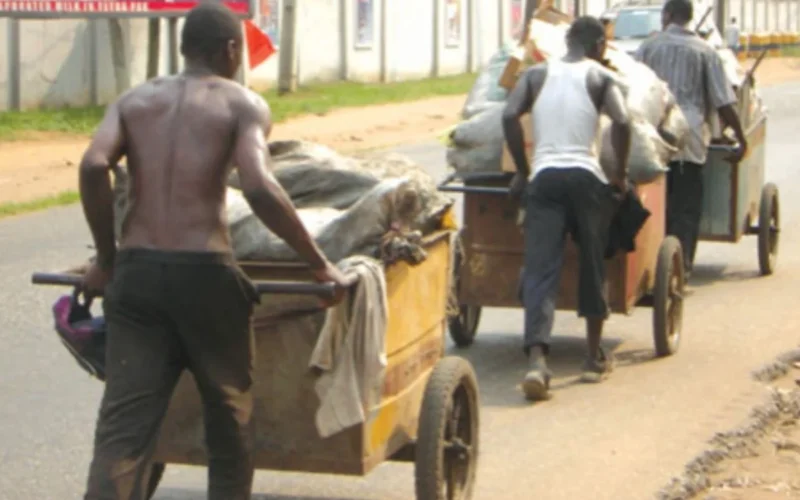
The time has come for governments at all levels to confront, decisively and without ambiguity, the growing menace of uncontrolled scavenging and scrap-metal collection across our cities.
What may have started as a legitimate means of livelihood and a useful component of the recycling economy is increasingly being exploited by criminal elements who vandalise public infrastructure, dismantle government property and put the lives of citizens at risk—all in the pursuit of scrap metal.
This cannot be allowed to continue.
Bridges, road barriers, drainage facilities, street furniture, electricity infrastructure, rail assets and other public installations are not abandoned materials waiting to be harvested for profit. They are public assets, acquired and constructed with taxpayers’ money. Their deliberate destruction is therefore not merely petty theft; it is an attack on public investment, public safety and the collective interest.
Governments must act now—not after another bridge is compromised, another road facility is dismantled, or lives are placed in danger.
There must be a comprehensive regulatory framework for the scavenging and scrap industry. Every legitimate scrap dealer should be properly registered and licensed, with strict requirements for keeping records of the source of materials purchased. Designated collection zones should be established, while dealers who knowingly buy stolen public infrastructure must face severe sanctions.
Law-enforcement agencies and relevant government authorities must also strengthen intelligence gathering, surveillance and enforcement. The entire chain—from the person vandalising public property to the individual purchasing, processing and reselling the stolen materials—must be held accountable.
At the same time, legitimate scavengers and recyclers should not be treated as criminals simply because they operate in the scrap industry. Many honest Nigerians depend on recycling and scrap collection for their livelihoods. The answer, therefore, is not indiscriminate prohibition but smart regulation, proper licensing, effective monitoring and uncompromising enforcement against criminality.
We must draw a clear and unmistakable line between recycling and vandalism; legitimate enterprise and organised theft; livelihood and criminal exploitation.
Nigeria cannot afford to spend billions constructing infrastructure only to watch criminals dismantle it piece by piece and sell the remains as scrap.
The choice before us is straightforward: regulate the industry now, or pay an even greater price later.
Our cities must remain places of investment, infrastructure and development—not hunting grounds for vandals and, ultimately, sprawling scrap yards.
The scrap economy must be regulated. Public infrastructure must be protected. And those who vandalise the commonwealth must face the full weight of the law.