


• 70 hybrid ferries, 140km of ferry routes, 25 modern terminals planned
• “Lagos ready to explore water-based economy,” says LASWA boss
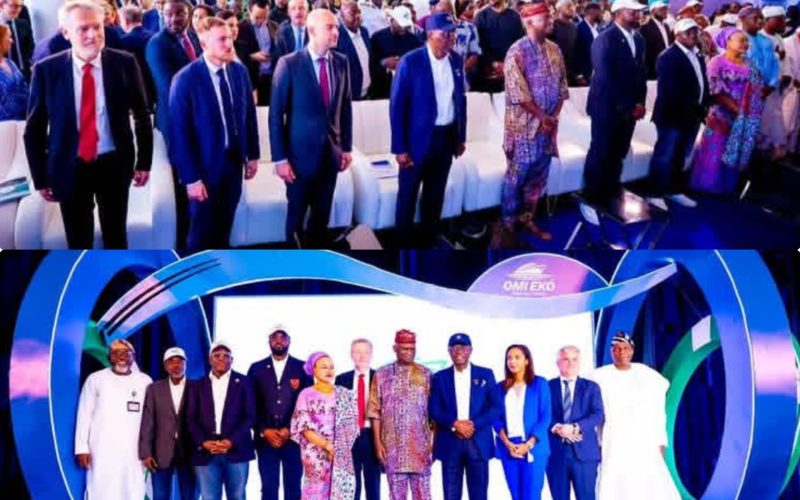
Lagos State Governor, Mr. Babajide Sanwo-Olu, on Friday launched the long-awaited €410 million Omi-Eko Inland Waterways Project, a landmark initiative co-funded by the European Union (EU) to transform water transport and ease traffic congestion across the metropolis.
The project, spearheaded by the Lagos State Waterways Authority (LASWA), aims to develop 140 kilometres of ferry routes, 25 ferry terminals and jetties equipped with electric charging facilities, and a fleet of 70 hybrid-electric ferries. It will be implemented in phases, with full completion expected by 2030.
Funding for the initiative was secured through the EU’s Global Gateway Initiative, the French Development Agency (AFD), and the European Investment Bank (EIB), which jointly approved a subsidised loan of €360 million.
Governor Sanwo-Olu described the launch as “historic,” noting that the project represents more than infrastructure development — it signals Lagos’s commitment to sustainable, climate-friendly mobility.
“The Omi-Eko project is a bold statement of intent,” he said. “It merges technology, environmental stewardship and innovation to create waterways that are not just navigated, but optimised. Lagos is setting the pace for African cities to embrace sustainable urban transport.”
Sanwo-Olu added that the initiative aligns with his administration’s THEMES+ Agenda, prioritising integrated transport solutions to improve mobility and reduce carbon emissions.
When fully operational, the project is expected to reduce CO₂ emissions by 41,000 tonnes annually, cut travel time by up to three hours per trip, and carry an estimated 25,000 passengers daily. It will also create thousands of jobs and stimulate investment in Lagos’s emerging blue economy.
Former Governor Mr. Babatunde Raji Fashola, SAN, who established LASWA in 2008, commended Sanwo-Olu for “nurturing the agency into a globally respected institution.” He expressed optimism that the Omi-Eko project would become a model for public-private partnerships in Africa.
The Commissioner for Transportation, Mr. Seun Osiyemi, said the initiative completes the final link in Lagos’s Integrated Multimodal Transport System, complementing road, rail, and BRT networks.
“Omi-Eko isn’t just about ferries,” he said. “It’s about creating jobs, empowering communities, reducing congestion, and promoting inclusive mobility.”
Mr. Damilola Emmanuel, Special Adviser to the Governor on Blue Economy and General Manager of LASWA, said 20 existing jetties would be upgraded with modern terminals, while dredging and channelisation of 15 priority ferry routes would enhance speed and safety.
“We are building a water-based economy that works for everyone — from operators to passengers,” Emmanuel said.
French Minister for Europe and Foreign Affairs, Mr. Jean-Noel Barrot, and EU Ambassador to Nigeria, Mr. Gautier Mignot, praised the initiative as a model of successful bilateral cooperation between Nigeria and the EU.
“This project is the best example of what partnership can achieve,” said Barrot, linking the development to the outcomes of President Bola Ahmed Tinubu’s recent visit to French President Emmanuel Macron.
The Omi-Eko project is projected to redefine transportation in Africa’s most populous city — turning Lagos’s waterways from barriers of separation into corridors of opportunity and sustainable growth.