



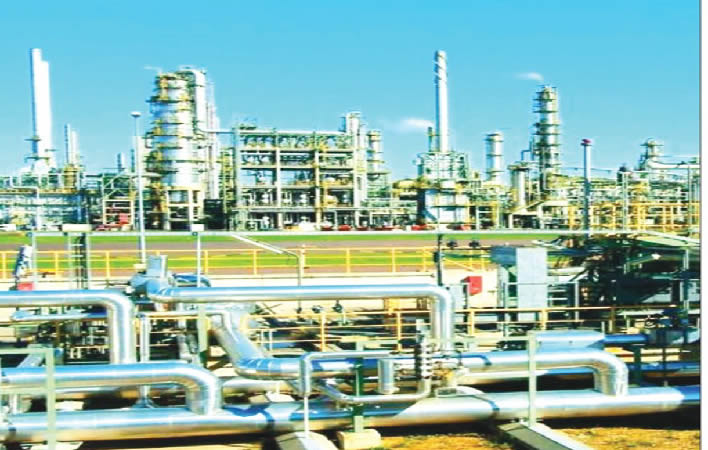
Concerned Nigerian Citizens have called on President Bola Tinubu to intervene in the crisis between the Nigerian National Petroleum Company Limited (NNPCL) and the Dangote Refinery.
This comes as the group tasked NNPCL with prioritising crude oil supply to local refineries, including the Dangote Refinery, over foreign partners.
Its National Coordinator, Obinna Francis, at a press conference yesterday in Abuja, expressed concern over reports that NNPCL plans to reduce crude oil supply to the Dangote Refinery from 300,000 barrels per day.
Francis said such a move would lead to a monopoly of the oil sector and frustrate local investors.
According to him, the Dangote Refinery has been making efforts to make petroleum products affordable for Nigerians and that reducing its crude oil supply would undermine this effort.
He said the refinery’s operations were not a burden to taxpayers, unlike the government-owned refineries.
Besides, he observed that the removal of fuel subsidies had led to increased hardship and suffering for Nigerians, with a hike in the price of Premium Motor Spirit (PMS) leading to a rise in the prices of goods and services across the country.
Francis added: “We argued that the coming upstream of the Warri and Port Harcourt refineries is not expected to cut down allocation to local refineries.
“The naira-for-crude agreement was purely an intervention at the time to boost local production and then provide some cushion from the volatility of the foreign exchange market. It was not so much about the crude but the FX.
“If the Warri and Port Harcourt refineries are coming on stream, it is expected that it will make the price of petrol affordable for Nigerians and not become a stumbling block and a basis for adjustments of crude.
“Citizens will also want to inform the world that while Dangote Refinery is operating at no cost to the taxpayer, the NNPCL is embarking on Project Leopard. The operation will enable the company to raise $2bn in exchange for crude oil, thereby pushing the volume of loans for crude to $8bn within four years, with consequential adversity and growing debts for the nation.”