




By Tayo Aderinola
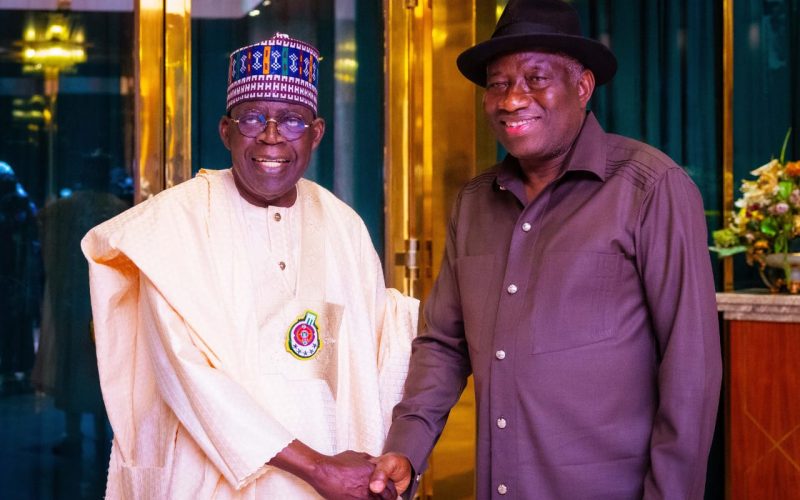
Nigeria’s economic story has been one of turbulence, policy missteps, and squandered opportunities. However, when comparing administrations, the contrast between Goodluck Jonathan and Bola Ahmed Tinubu is clear: one was marked by indecision and corruption, the other by difficult but necessary reforms.
It is important to recall that all three leading presidential contenders in the 2023 election — Bola Tinubu, Atiku Abubakar, and Peter Obi — agreed that fuel subsidy had to be removed. Tinubu was the most vocal and practical about this. Subsidy had become a fiscal cancer, draining trillions annually, benefiting a corrupt elite rather than the ordinary Nigerian.
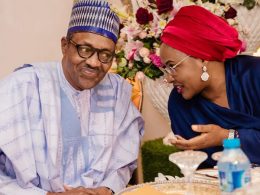
By the end of Muhammadu Buhari’s administration, the damage was already extensive. The government was borrowing to pay salaries and finance subsidy, while the Central Bank under Godwin Emefiele recklessly printed excess naira, fueling hyperinflation and crushing the value of the currency. Reserves had fallen dangerously low — barely $4 billion remained in Nigeria’s foreign reserve.
Enter Tinubu. Within a year, Nigeria’s foreign reserves surged to over $21 billion, signaling recovery. International observers including the World Bank and, most notably, Ngozi Okonjo-Iweala, Director-General of the World Trade Organization, have commended the administration for stabilizing Nigeria’s economy and averting a full-blown collapse.
Now compare this with Jonathan’s presidency. The Jonathan era is remembered as one of the most corrupt and clueless periods in Nigerian governance. Billions were lost in oil theft and fraudulent subsidy payments. Despite high oil prices, the country failed to build savings or infrastructure. When global oil prices crashed, Nigeria was left defenseless, crippled by waste and poor planning.
The difference is stark. Where Jonathan faltered, Tinubu has acted decisively. His administration is charting a path of fiscal discipline, transparency, and international credibility. Nigeria is not out of the woods yet, but the trajectory has shifted. Bold leadership has replaced cluelessness.
History will record this moment as the turning point when Nigeria moved from reckless mismanagement to pragmatic reform.