




President Bola Tinubu has signed into law the Appropriation (Amendment) (No.4) Bill, 2025, extending the implementation period of the 2025 budget from September 30, 2026 to December 31, 2026.
This was contained in a statement by his media aide, Bayo Onanuga, on Wednesday the assent followed the amendment’s passage by the Senate and the House of Representatives on Tuesday, September 29, 2026.
“The extension gives Ministries, Departments and Agencies more time to complete ongoing capital projects it ensures that funds already appropriated are fully put to work for Nigerians, without disrupting critical programmes,” the statement partly read.
The President commended the leadership and members of the National Assembly for their prompt consideration of the bill he described their action as a further sign of the cooperation between the executive and the legislature in the service of the nation.
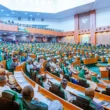
On Tuesday, the Senate amended the 2025 Appropriation Act (Repeal and Re-enactment) to extend the implementation of the capital component of the 2025 budget from September 30 to December 31, 2026.
The resolution followed a motion moved by the Senate Leader, Senator Opeyemi Bamidele, after an executive session and clause-by-clause consideration at the Committee of Supply.
Bamidele said the extension was also aimed at sustaining economic activity, supporting local contractors, facilitating the efficient utilisation of released funds, boosting overall budget performance and enhancing public service delivery.
He further clarified that the bill did not seek to introduce new projects, adding that the extension should not be interpreted as a relaxation of fiscal accountability but as a measure strictly in accordance with the Fiscal Responsibility Act.
The implementation period, initially billed to end in December 2025, had earlier been extended to March 31, 2026, then to June 30, 2026, and later to September 30, 2026.
It was the fourth time the 2025 budget has been extended, despite Tinubu’s earlier pledge to streamline Nigeria’s budgeting system and eliminate concurrent and overlapping fiscal cycles.
The House of Representatives also extended the implementation period for the capital component of the 2025 Appropriation Act from September 30, 2026, to December 31, 2026, following an executive request submitted to the National Assembly by the President, seeking additional time to allow the MDAs to complete critical infrastructure projects and capital expenditures captured under the 2025 fiscal framework