



The Apapa Port Command of the Nigeria Customs Service (NCS) announced a remarkable revenue collection of N1.61 trillion in the third quarter of 2024, surpassing the N1.17 trillion collected in the entire year of 2023.
In a statement released on Monday in Lagos, the Customs Area Controller for Apapa Command, Comptroller Babatunde Olomu, attributed the success to diligent efforts and integrity within the command.
He further emphasised the command’s ongoing commitment to engaging with stakeholders to enhance revenue collection and curb smuggling activities.
Olomu highlighted the impressive monthly collections of N201.8 billion in July and N193.9 billion in September, expressing confidence that such figures could be replicated in the final quarter of 2024.
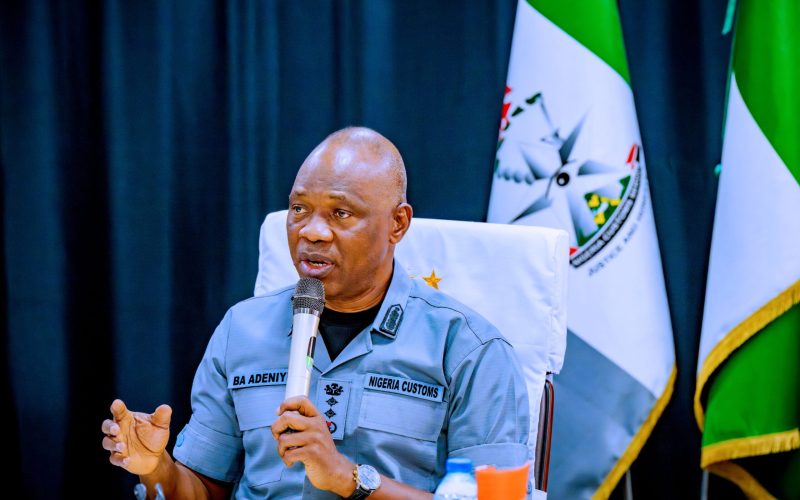
He credited the significant revenue growth to the effective implementation of various trade facilitation programmes introduced by the Comptroller-General of Customs, Bashir Adeniyi.
These initiatives include the Advance Ruling System, Time Release Study, and the Authorised Economic Operator (AEO) scheme.
The Comptroller praised the command’s dedication to revenue generation, noting that diligent cargo examination and timely interventions, including the issuance of demand notices when necessary, played a crucial role in boosting revenue.
Reaffirming the NCS’ zero tolerance for smuggling, Olomu warned individuals involved in illegal trade to desist immediately, reiterating that the Apapa Command remains committed to intensifying efforts to reduce smuggling in the area.
He also emphasised that the command’s success in reducing smuggling was the result of a multi-faceted approach, including strict cargo monitoring, regular profiling of port users, stakeholder sensitization, and continuous in-house training of customs officers.
According to Olomu, these measures have significantly contributed to the reduction of smuggling activities in recent times.
The Area Controller urged port users in Apapa to utilize the services of the command’s dispute resolution team to resolve any uncertainties regarding customs processes. He reassured stakeholders of the command’s readiness to provide assistance and ensure smooth operations at all times.
Olomu expressed gratitude to other government agencies for their support, stating that the command would continue to collaborate with them to share intelligence and combat criminal activities at the ports.
“Our revenue collection is on a strong trajectory, and we believe there is potential for even better results in the final quarter of 2024,” Olomu said.
He extended his appreciation to compliant stakeholders for their cooperation in achieving this level of revenue collection, noting that the significant reduction in smuggling is a testament to the increased compliance the command has worked hard to foster.
“We are not letting our guard down. Our vigilance remains airtight, demonstrating our capability to detect and intercept smuggling activities,” he added.
Olomu concluded by emphasizing the importance of trade facilitation in conjunction with anti-smuggling efforts, stating that the command leverages non-intrusive technology for cargo scanning alongside physical examinations when necessary to ensure compliance and security at the ports.