



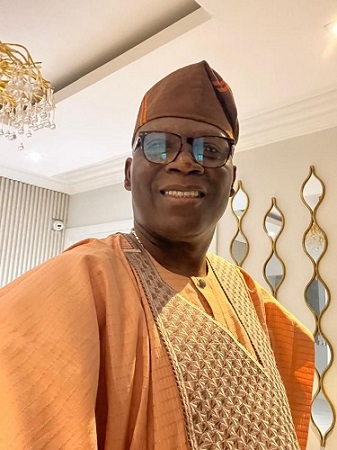
As political activities ahead of the 2027 general elections begin to gather momentum, Lagos APC chieftain Seye Oladejo has urged Nigerians to reject religious sentiments and instead focus on competence, performance and credible leadership when choosing those who will govern the country.
In a statement titled “2027: When Religion is No Longer the Issue,” Oladejo argued that while religion remains an important moral and social institution, it should not determine electoral choices. According to him, governance is best measured by vision, capacity, courage, integrity and tangible results rather than a leader’s faith.
He noted that the country’s pressing challenges—including inflation, unemployment, insecurity and poverty—affect all Nigerians regardless of religious affiliation, stressing that these problems require practical solutions instead of divisive political narratives.
Reflecting on the 2023 presidential election, Oladejo said that although religion featured prominently in campaign discussions, governance has since become the major yardstick by which Nigerians assess elected leaders. He maintained that as the nation moves towards 2027, the political conversation should naturally shift from identity politics to performance and accountability.
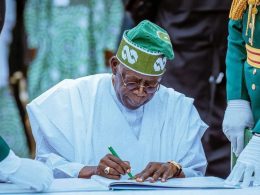
The APC chieftain defended the economic reforms introduced by President Bola Ahmed Tinubu, describing them as difficult but necessary measures aimed at stabilising the economy, restoring investor confidence and laying the foundation for sustainable growth. He pointed to ongoing infrastructure development, tax reforms, improvements in local refining capacity and renewed investor confidence as signs of gradual economic recovery.
Oladejo challenged Nigerians to scrutinise aspiring leaders based on their competence, administrative experience, policy direction and ability to govern a diverse nation of over 200 million people, insisting that religion provides no answers to these critical governance questions.
He also observed that Nigeria’s history has produced both successful and unsuccessful leaders from different religious backgrounds, arguing that excellence and failure are not exclusive to any faith.
Calling for issue-based politics, Oladejo urged political parties and candidates to focus their campaigns on the economy, education, healthcare, security, agriculture, technology, industrialisation, energy, constitutional reforms and youth employment rather than exploiting religious differences for political gain.
He further appealed to the opposition to enrich democratic discourse by presenting alternative policies and governance models instead of relying on religious mobilisation, adding that elections should be contests of ideas, programmes and credibility.
Oladejo concluded by urging Nigerians to judge every candidate by character, competence, capacity, courage and compassion, not by where they worship. He stressed that the 2027 elections should prioritise national development over sectional interests, insisting that religion belongs in people’s hearts while governance should remain in capable hands.