



The Lagos State Government has warned that development and reclamation of wetlands, floodplains and lagoon fronts without the required environmental approvals are exposing communities to flooding and coastal erosion, as it renewed calls for stricter protection of the state’s natural drainage systems.
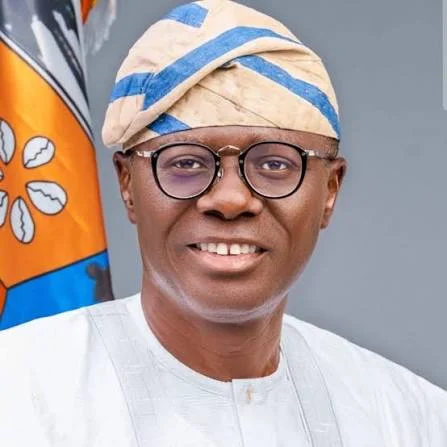
Governor Babajide Sanwo-Olu said wetlands and mangroves served as natural barriers against flooding and erosion, cautioning that their destruction could undermine the state’s efforts to make Lagos more climate-resilient.
The warning comes after the state suspended reclamation activities on wetlands, floodplains and lagoon fronts without the requisite environmental impact assessment approvals and drainage clearances in September 2025.
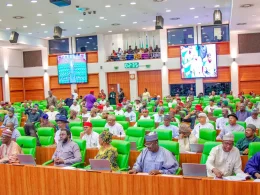
Sanwo-Olu spoke through the Permanent Secretary, Office of Environmental Services, Gaji Omobolaji, at the 20th annual Walk for Nature, organised by the Lagos State Government and the Nigerian Conservation Foundation at Lagos State University, Ojo, on Saturday.
“Our wetlands, mangroves and lagoon fronts serve as natural defences against flooding and coastal erosion,” the governor said, warning that indiscriminate reclamation and development in environmentally sensitive areas increased the risks facing communities
He said Lagos could not afford to delay climate action because of its coastal location, low-lying terrain and densely populated neighbourhoods.
The governor also identified plastic pollution as another pressure on the state’s drainage network, saying Lagos generated approximately 13,000 tonnes of waste daily, with plastics accounting for about 15 per cent.
He said improperly discarded plastics frequently entered drains, canals and the lagoon, contributing to flooding and environmental pollution.
The state began enforcing its ban on Styrofoam and other specified single-use plastics on July 1, 2025. Sanwo-Olu said the government was also working with innovators to promote alternatives while expanding environmental education in schools and communities.
He urged residents to dispose of waste responsibly, keep drainage channels clear, reduce their use of single-use plastics and avoid building on wetlands and drainage corridors.
The governor said the state would continue investing in drainage infrastructure, mangrove restoration, tree planting and parks, but maintained that government interventions would have greater impact with public cooperation.
At the event, held under the theme “Inspired for Climate Action – Lagos Must Listen, Our Action Matters,” Tajudeen, represented by the Director of Ecology and Wetlands, Tolu Adeyo, said climate change was already evident in rising temperatures, changing weather patterns, flooding and biodiversity loss.
He called for the protection of wetlands, waterways, forests and green spaces, describing them as important for flood control, biodiversity, carbon storage and community livelihoods.
The Chairman of the National Executive Council of the Nigerian Conservation Foundation, Roli Adebiyi, said the consequences of environmental decisions would extend to future generations.
“Future generations may never know our names, but they will live with the consequences of the decisions we make today. They will either inherit a world in which we ignored the warning signs, or a world in which we dared to respond,” she said.
“Let them inherit a world of hope rather than regret, a world of opportunity rather than destruction.”
The event marked the 20th edition of the annual walk, which brings together government officials, conservation groups, students and other stakeholders to promote environmental protection