




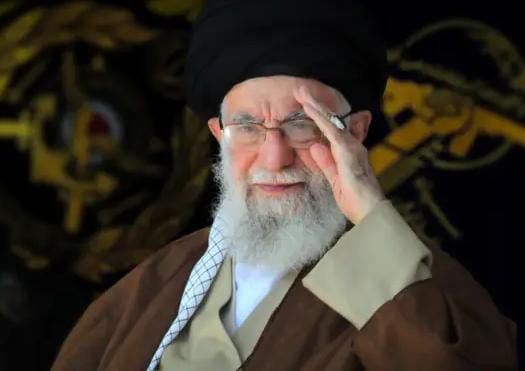
Iranian state-affiliated media have confirmed the death of the country’s Supreme Leader, Ali Khamenei, marking a significant moment in the nation’s political history.
According to Iran’s Tasnim News Agency and Fars News Agency, Khamenei died early Sunday, hours after announcements by Israeli and United States officials that he had been killed. Former U.S. President Donald Trump stated that the Iranian leader was struck by U.S. and Israeli missiles.
In response, the Iranian government declared 40 days of national mourning and announced a seven-day public holiday period.
Khamenei assumed office in 1989 following the death of Ruhollah Khomeini, who led the 1979 Islamic Revolution. Over nearly four decades in power, Khamenei served not only as Iran’s highest political and religious authority but was also regarded by many as a leading figure among Shiite Muslims worldwide.
Unconfirmed reports suggest that members of his immediate family, including his daughter, son-in-law, and grandson, may have died in the same strike.
Despite the leadership vacuum, Iran is expected to continue retaliatory operations against Israeli and U.S. interests in the region.
Under Iran’s constitutional provisions, an interim leadership structure is to be established pending the appointment of a new Supreme Leader. The process предусматриes a three-member council comprising the Iranian president, the head of the judiciary, and a cleric from the Guardian Council to oversee state affairs during the transition.
Further developments are anticipated as regional and global reactions continue to unfold.